A lot has happened in the last 18 months
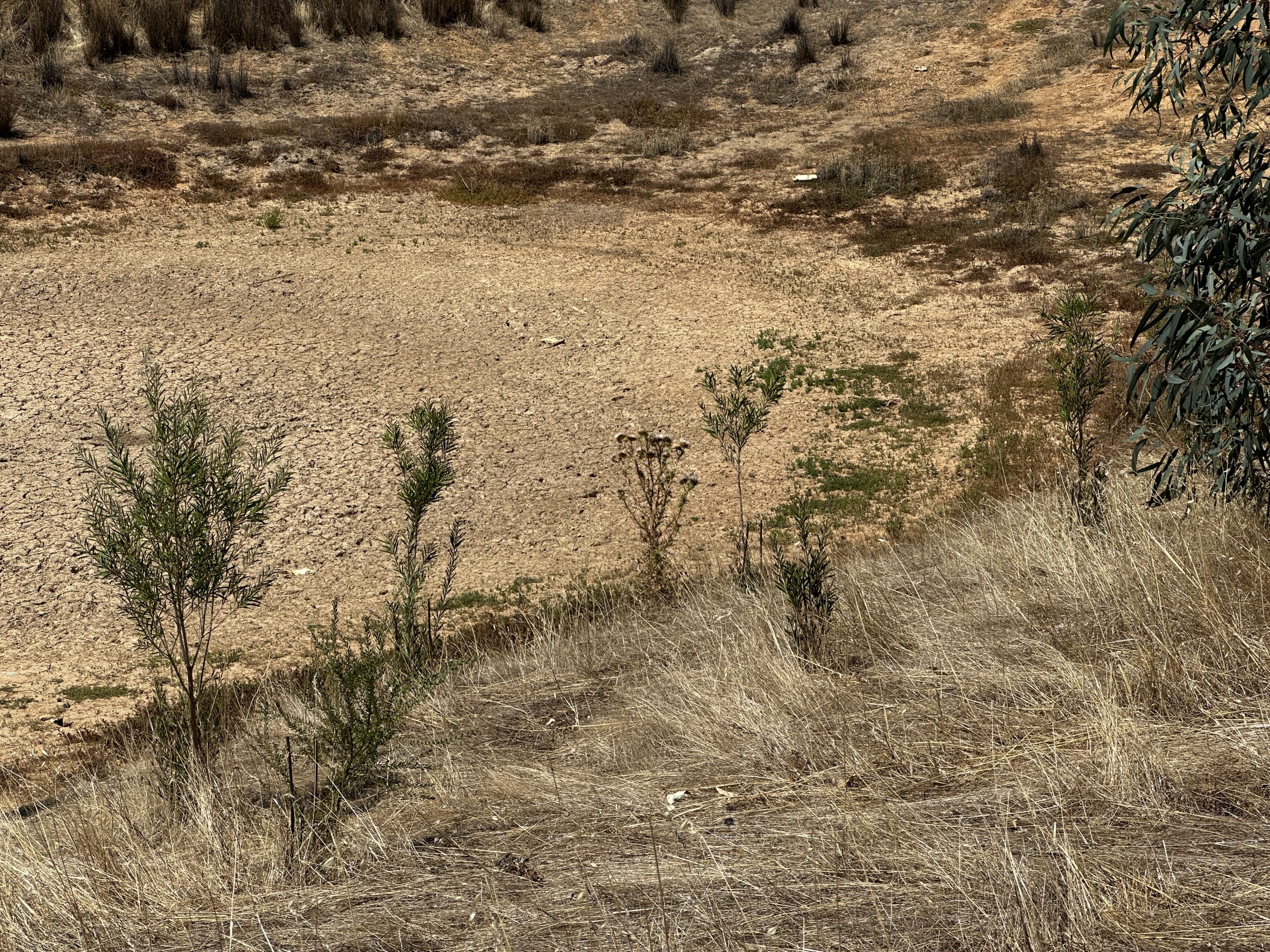
As they say in the classics, it’s been a while between drinks, and for us that’s very true. In the 18 months or so since our last post, we’ve been in the grips of a crippling drought, and despite recent rains, the prognosis for 2026 is even worse.
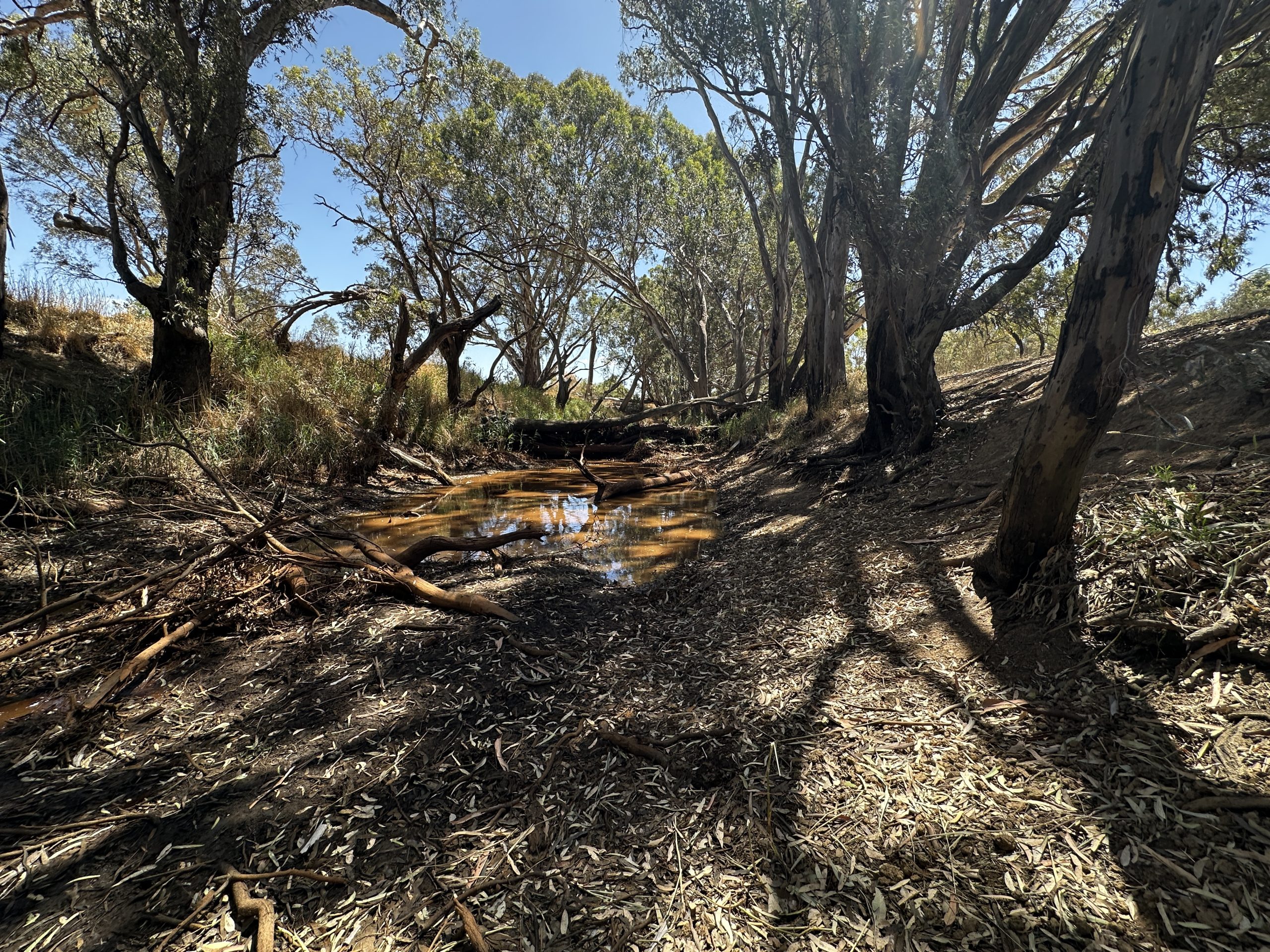
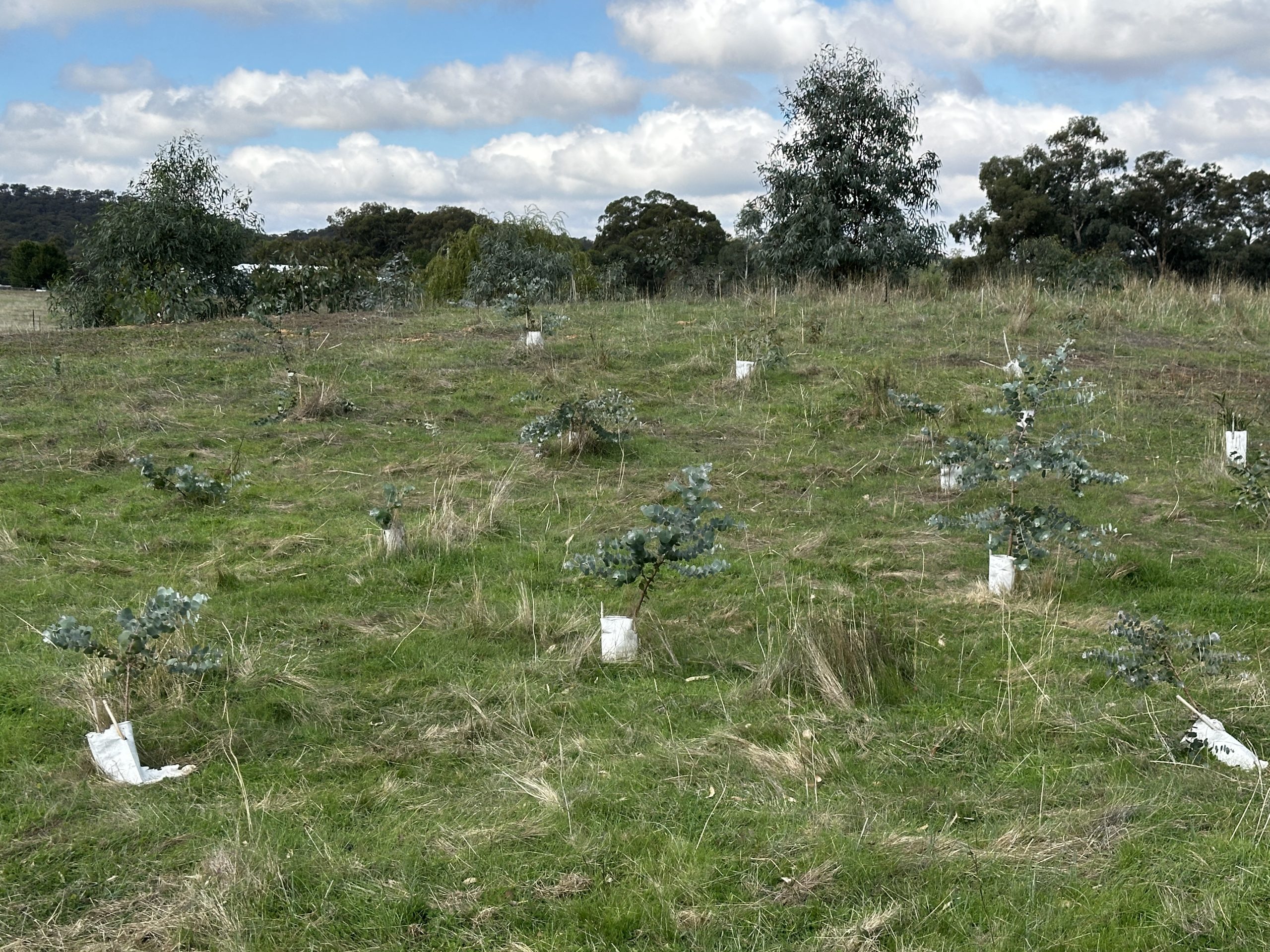
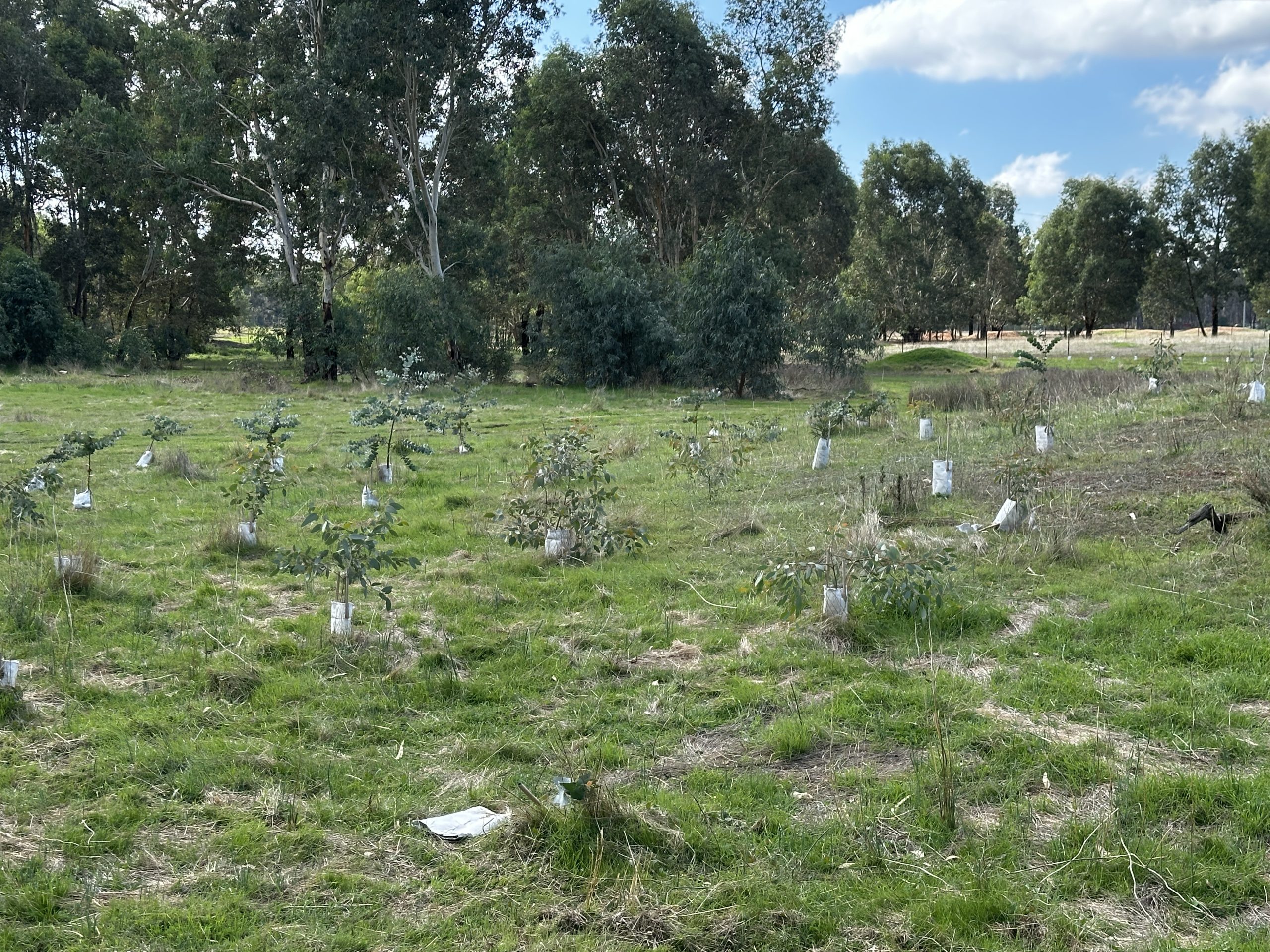
Since moving here in 2022 (a very wet year), we’ve actively been trying to rehabilitate a lot of the open paddocks and the riparian zone along the creek to restore more diversity in the tree cover and surrounding vegetation, and those efforts are starting to bear fruit.
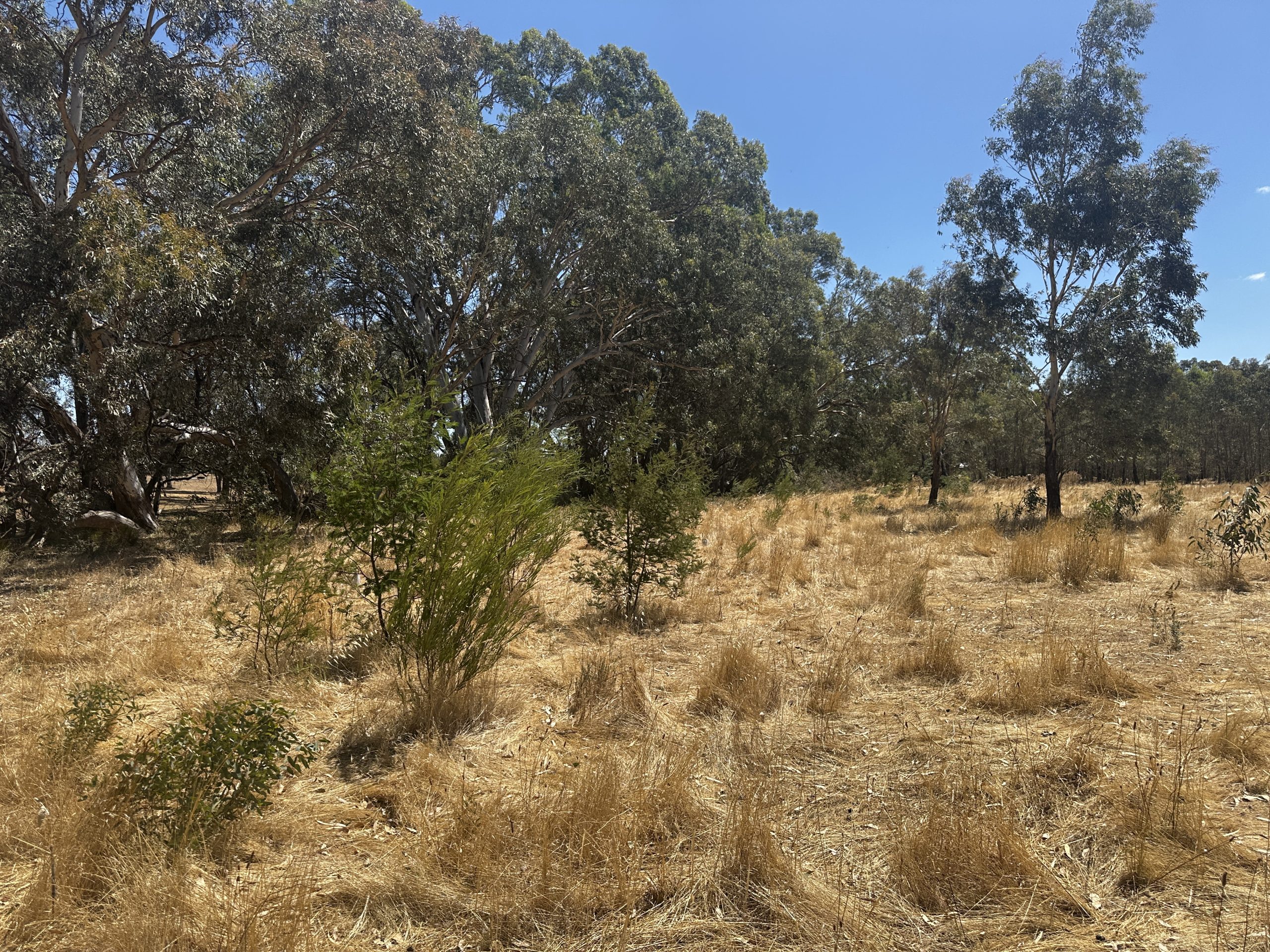
At the same time though, we’ve taken some pretty big hits – flooding in 2022 and 2024 destroyed around half of our fencing and increasing drought conditions throughout 2025 have meant that many of the trees that we planted over the past 4 years have struggled to survive the triple-whammy of dry soils, searing heat and predation from hares and kangaroos.
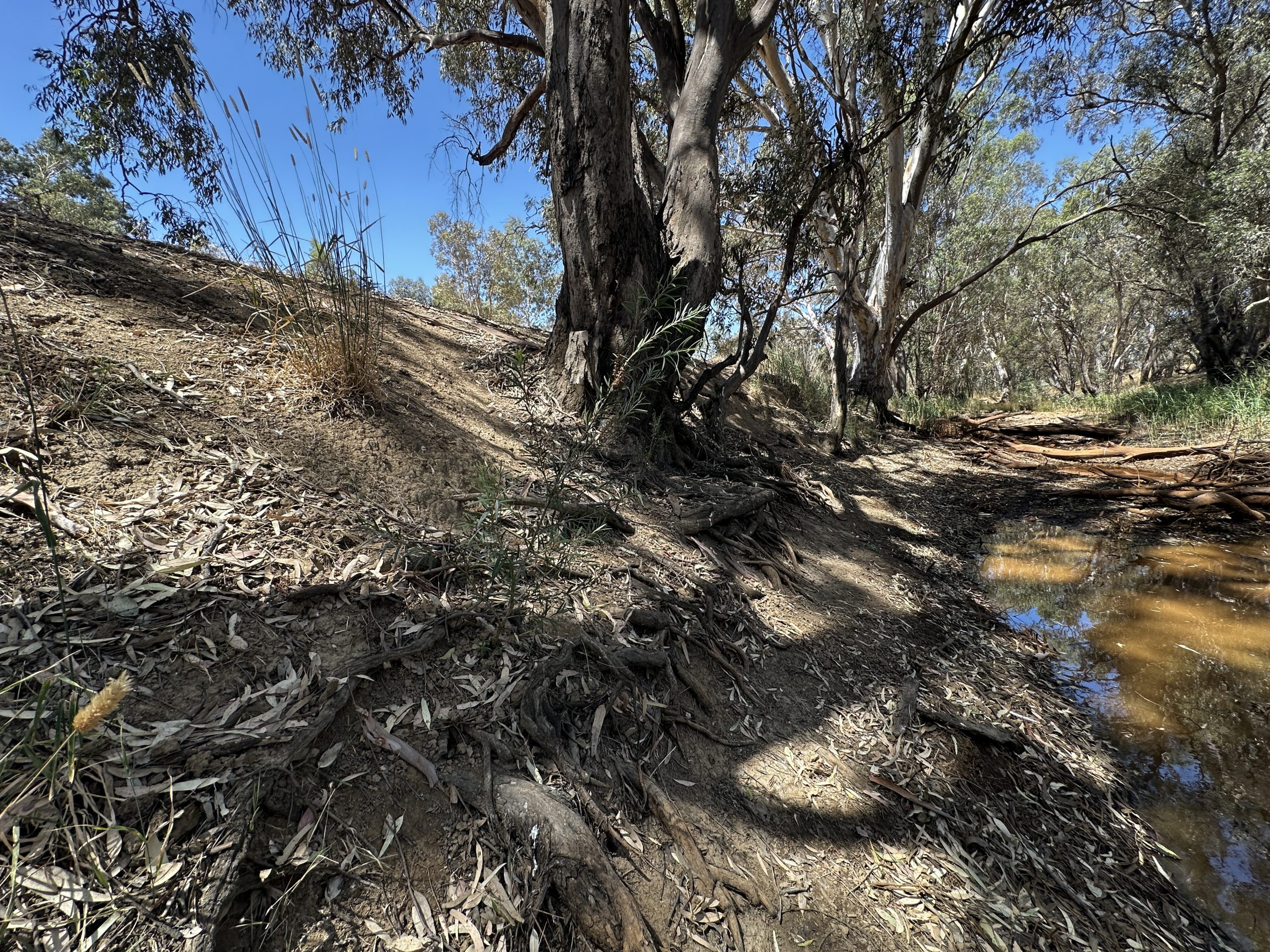
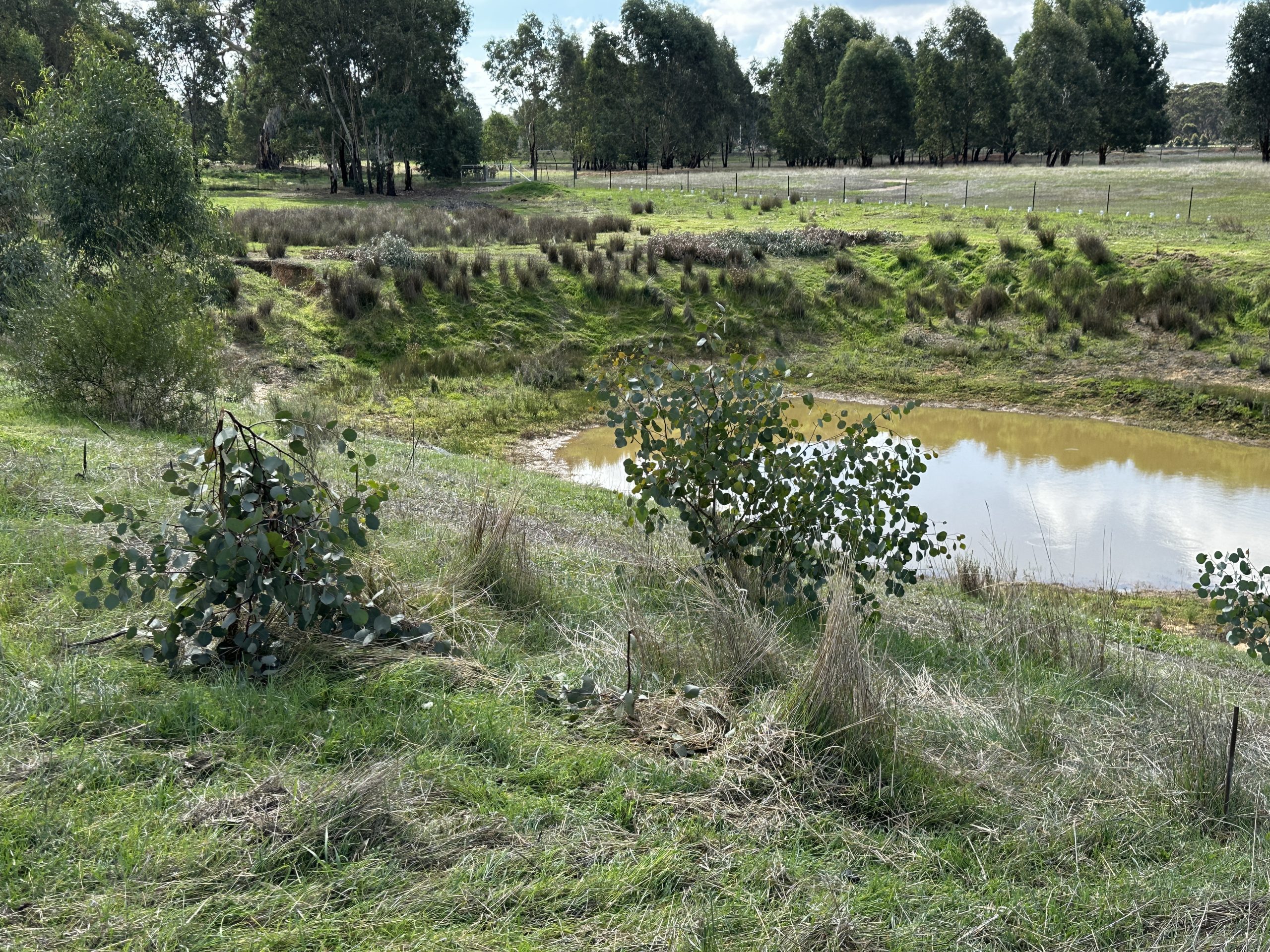
Nonetheless, those plants that have survived – around 40-50%of them in some cases – are now starting to perform their roles of holding soils together and providing food and shelter for small birds and insects. Down by the dam, where eroding inlets and walls have been a major issue, the wattles and eucalypts that were planted over the last two years or so have started to provide shade as well, which will in turn support the return of native grasses and herbaceous plants. Meanwhile, the Callistemons, Melaleucas, and tea-trees that were put in at the edge of the high-water mark have begun to send their roots deep into the bank to help bind the soil together and stop further erosion.
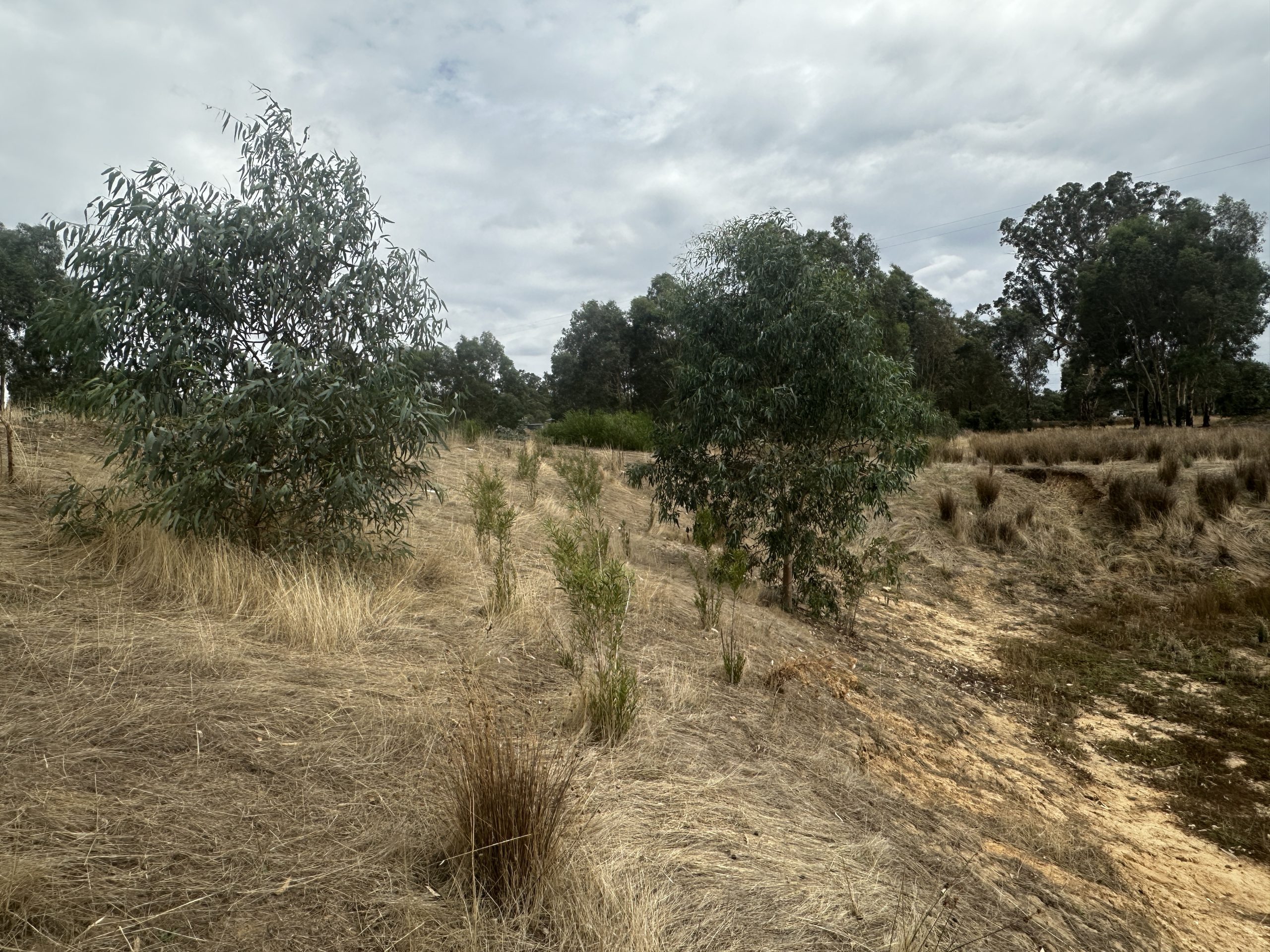
I’m particularly impressed by the stand of gold-dust wattles (Acacia acinacea) which were among the first plants that went into the dam area. Last year they flowered for the first time, albeit sporadically, but this year they are budding up nicely in the promise of a brilliant late-winter display of golden flowers that will be visible from the house.
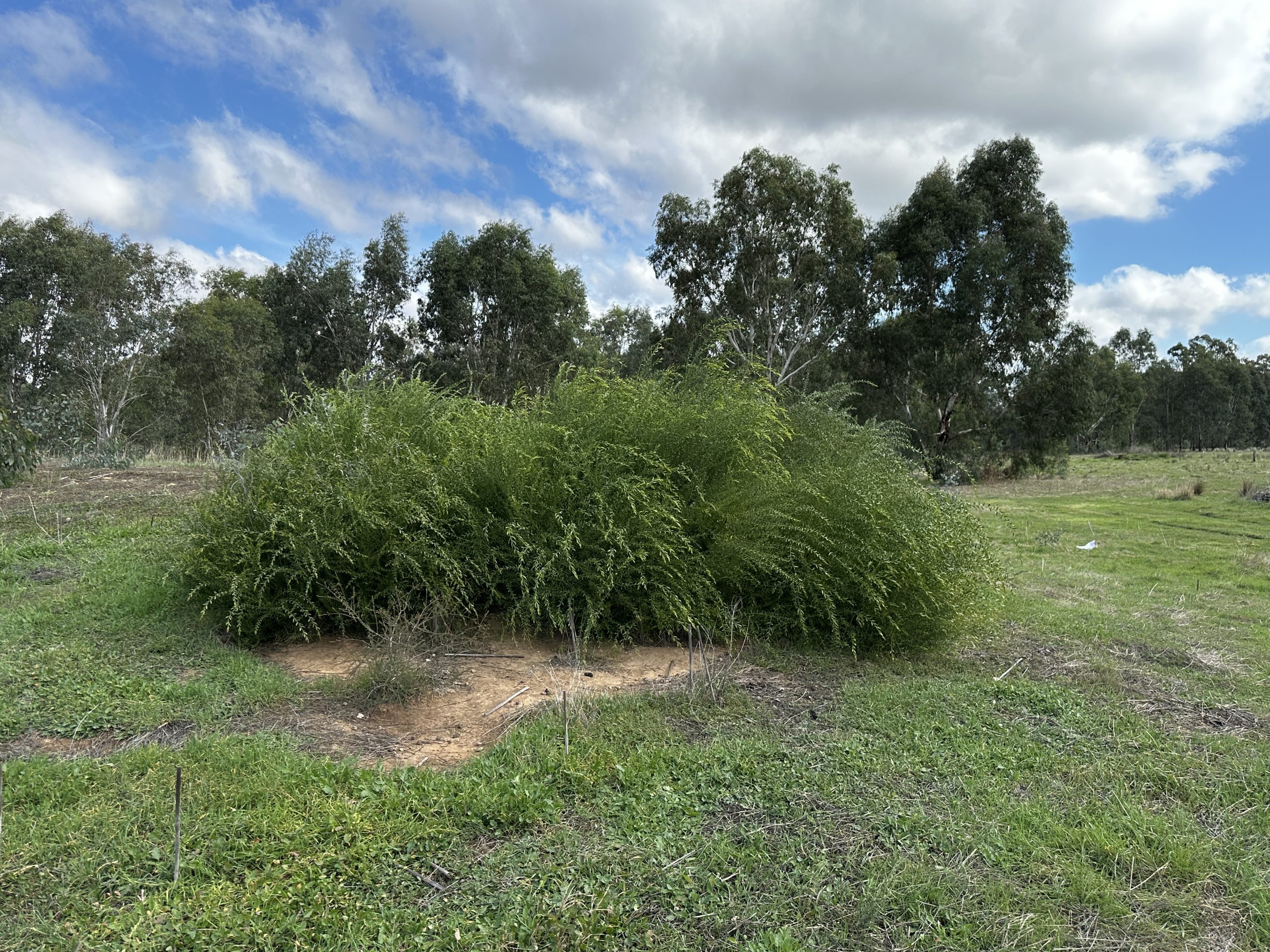
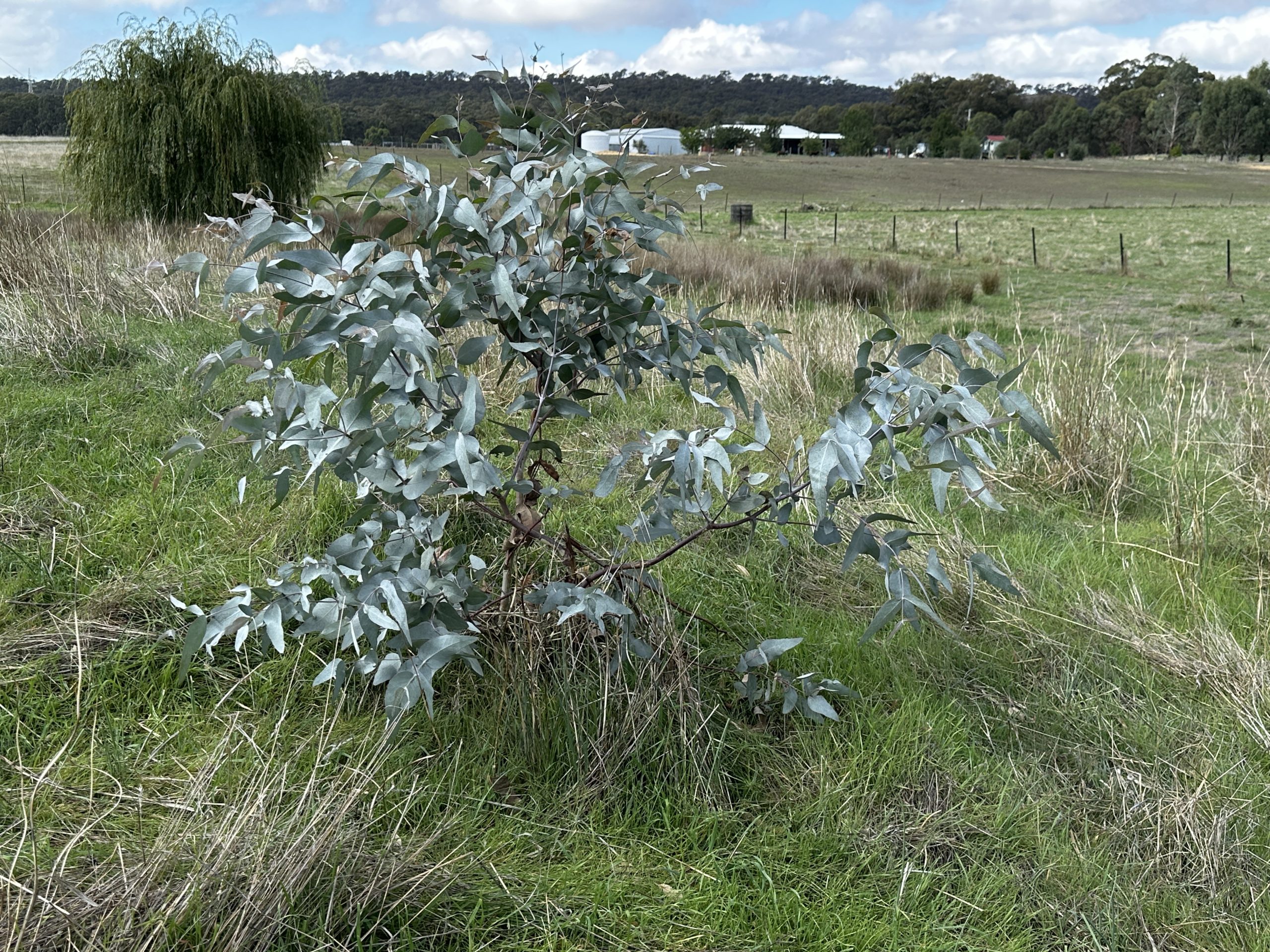
Additionally, the forest of Yellow Box (Eucalyptus melliodora) and Mealy Bundy (Eucalyptus nortonii) that I planted out last year is absolutely booming. Yellow Box was once prevalent around these creek flats, and there are still some magnificent stands of older trees along some of the roadsides here, but sadly it’s been removed in many areas because it likes to grow in the same soils that are most desired for pasture. I’m especially proud of the Mealy Bundy (also sometimes known as Long-leafed Box), which I grew from locally collected seed. There are only a handful of localities around Axedale where these pretty trees are found, and a couple of those are in remnant vegetation along Axe Creek, so hopefully the little forest of 20-30 trees I’ve planted will help to add to that species’ long-term survival in the area.
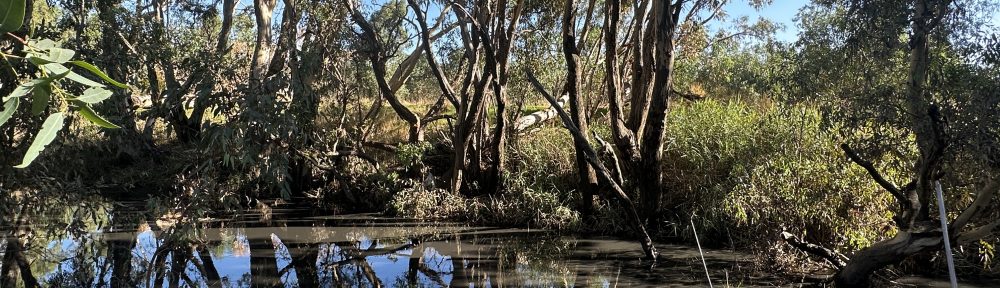
We finally received some rain in March, with a couple of decent falls, but they came at the end of an extended heatwave that saw devastating bushfires nearby in Harcourt and Sutton Grange. One such rain event actually delivered around 70mm over a couple of days, which saw Axe Creek finally flow again for the first time in over 7 months. Unfortunately, the water that came through was a stinking dark mess that hung around for a few days before dissipating. At the time of writing this (April 2026) the creek has ceased flowing again, though with 12mm of rain over the last few days, there’s a chance it may start up again as creeks further upstream start to run in to the catchment again.
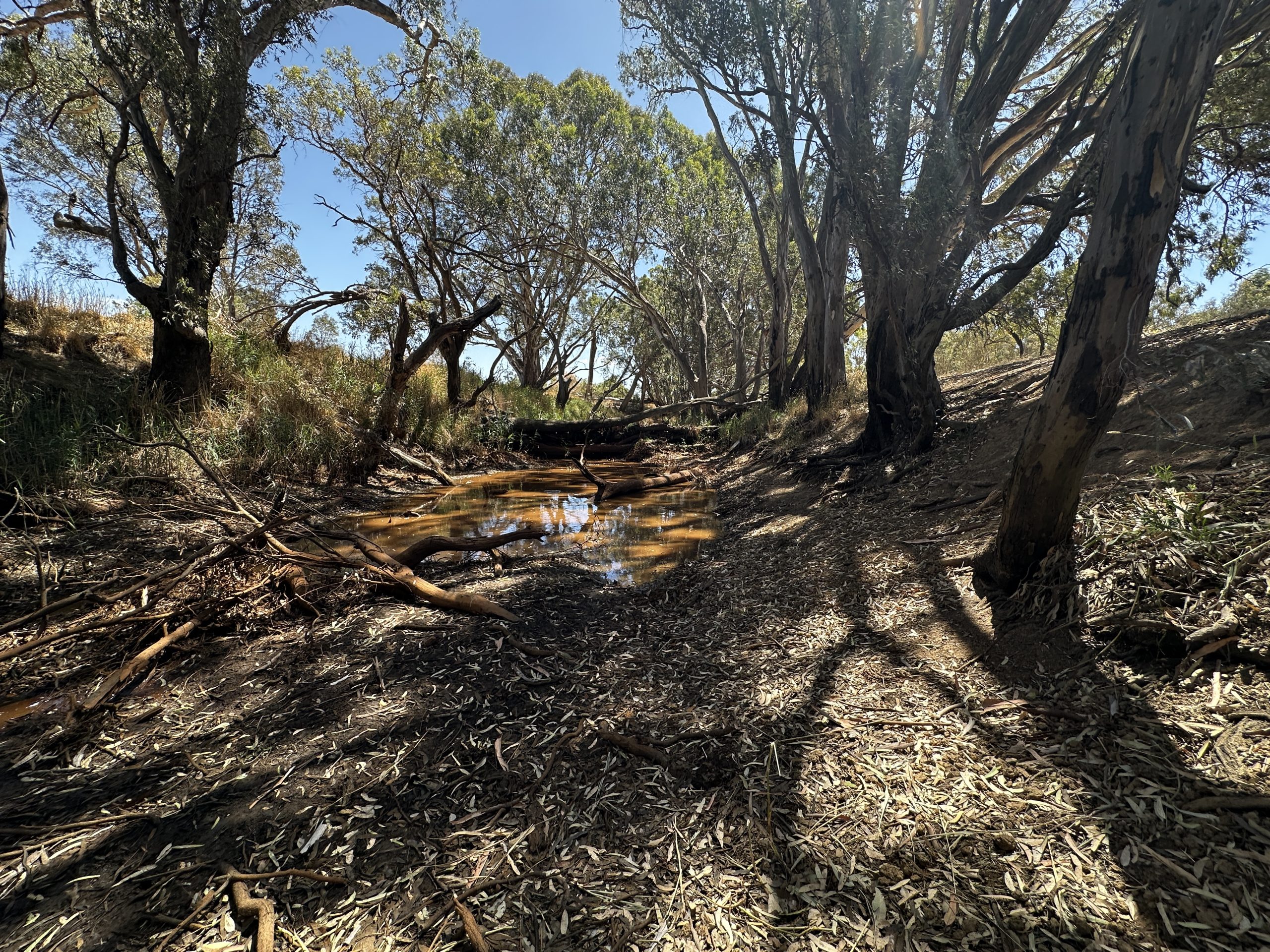
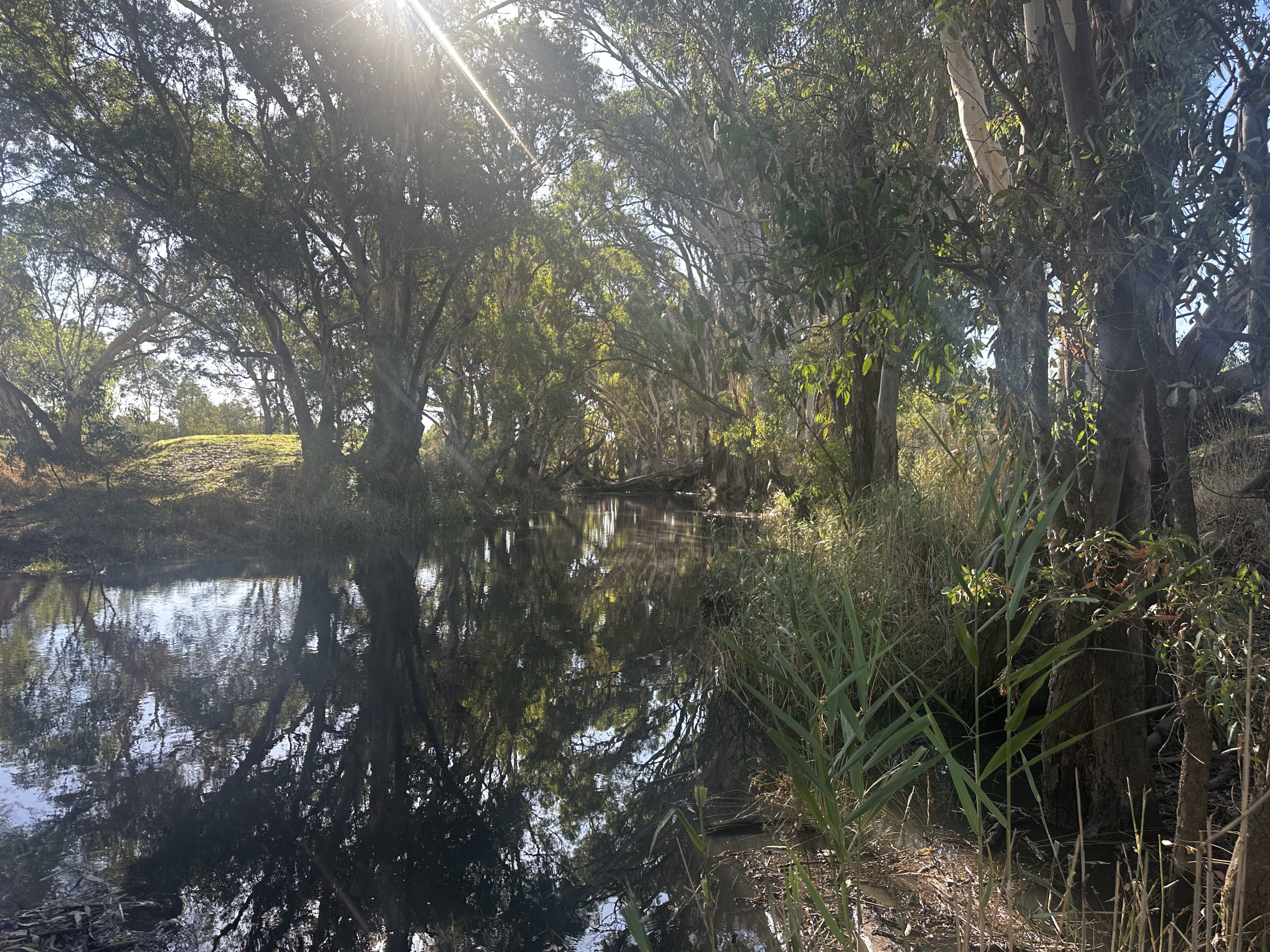
I actually happened to be taking a walk down by the creek on the afternoon that the water started flowing again, and took this incredible footage as the creek broke through seven months worth of fallen branches and detritus to inundate the rocky bar at the foot of our property.
Given that we are expecting a super El-Nino event later this year, which generally means drought conditions, we’ve started to focus on what we can do to drought-proof the property. One thing we’ve already done is to reduce our stock levels, down from 40 head of sheep 12-months ago, to only a dozen now. We’ve also planted out the extremely drought tolerant Old-Man saltbush (Atriplex nummularia) along some of the fence lines to provide some fodder when the pastures have died back.
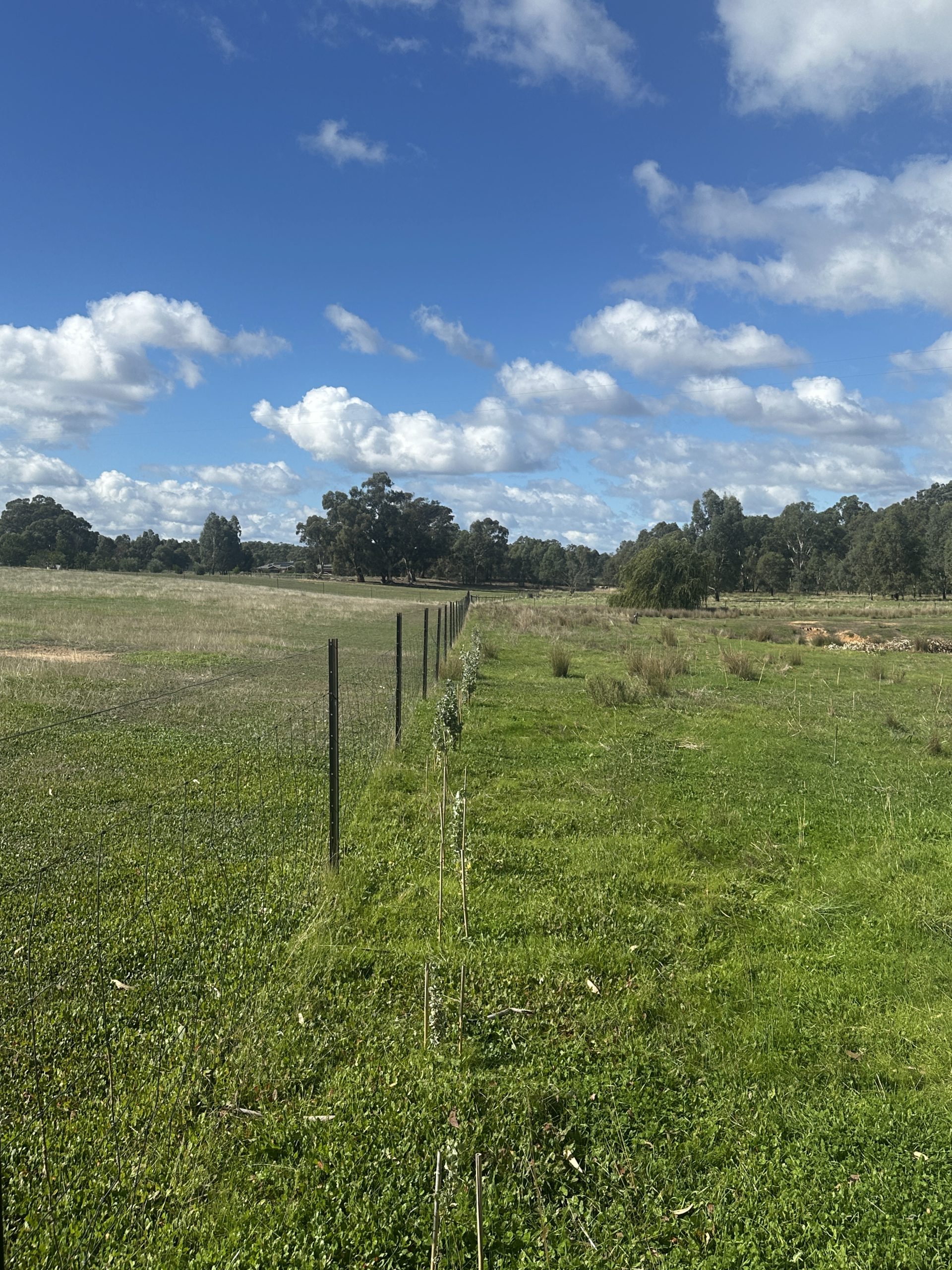
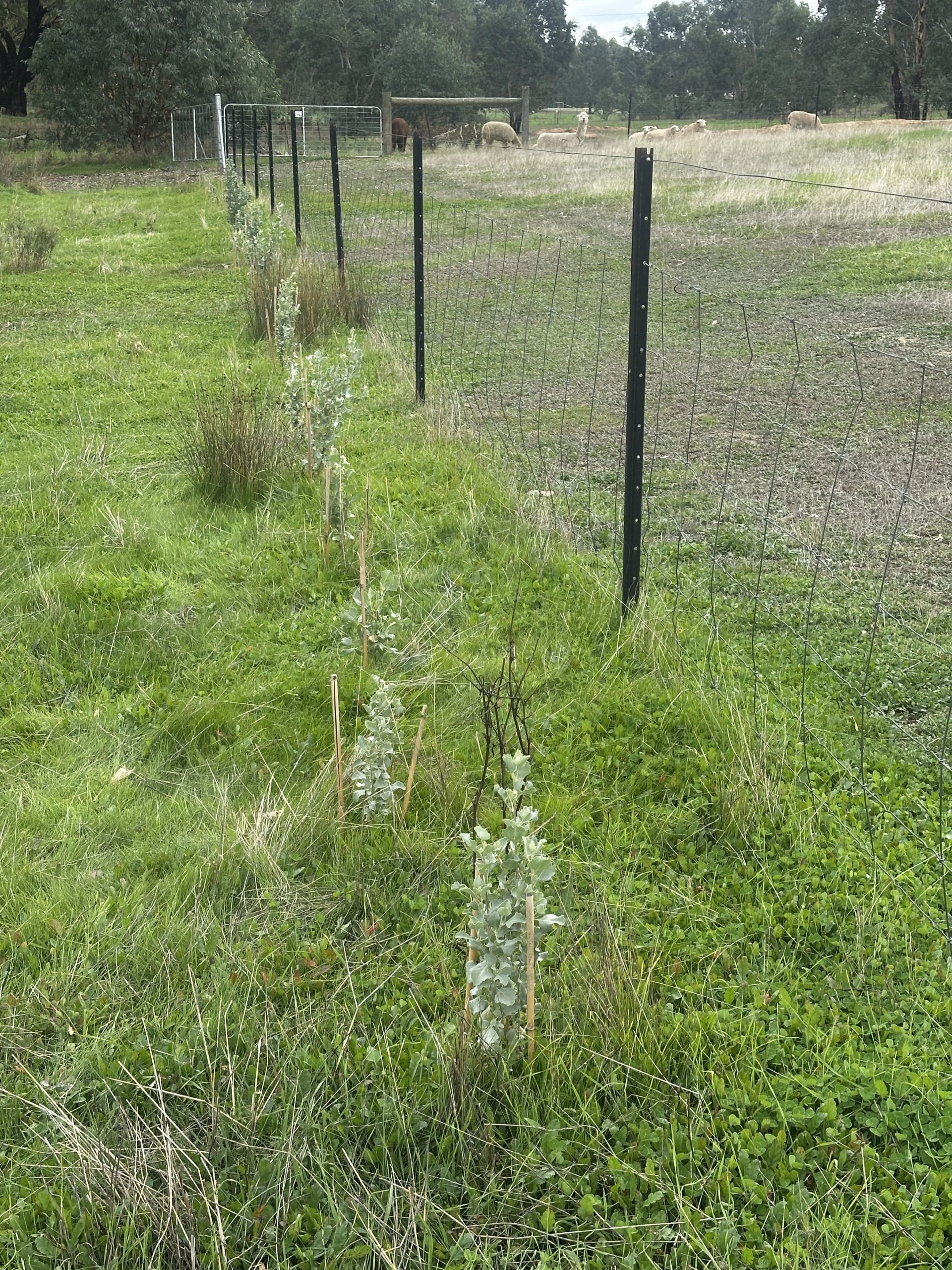
We’ve also started to look into how we can implement some of the practices of regenerative farming and natural sequence farming as popularised by people like Charles Massey and Peter Andrews. While their farms are massive compared to ours, the principles they have put in place on their properties can still be useful on our little patch of ground.
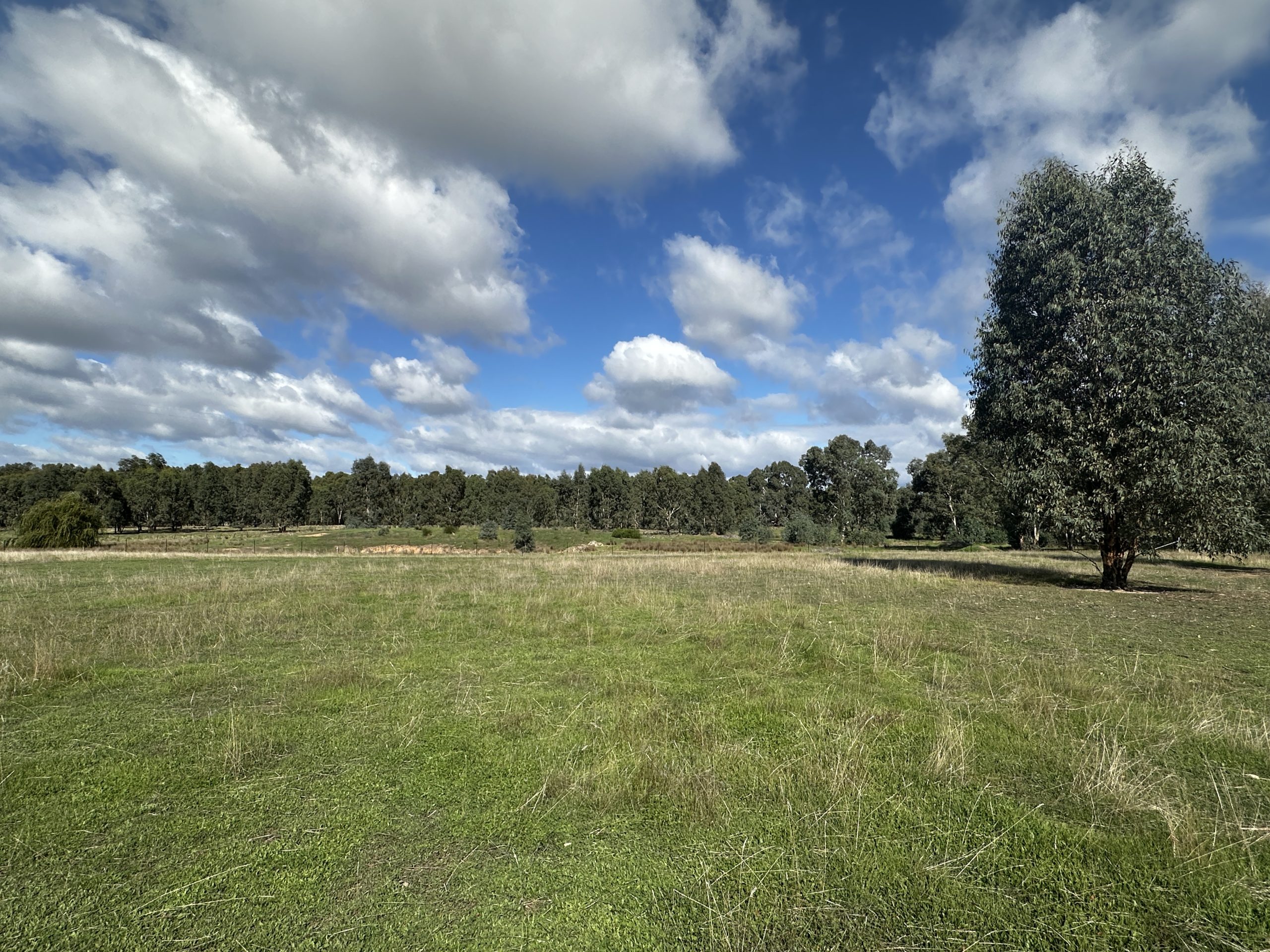
We’re lucky to be on fairly flat ground here, so we don’t have a lot of issues with erosion, but one of the things we’ve noticed over the years is that during a rain event, especially when there is little or no groundcover from grass, much of the water that falls around the house and top paddock ends up running off in sheets down to the dam. While that might be great for getting the dam to fill, what we’d ideally like to do is to cut some contour swales across the paddock to try and slow the progress of water down and keep some moisture in the soil for longer.
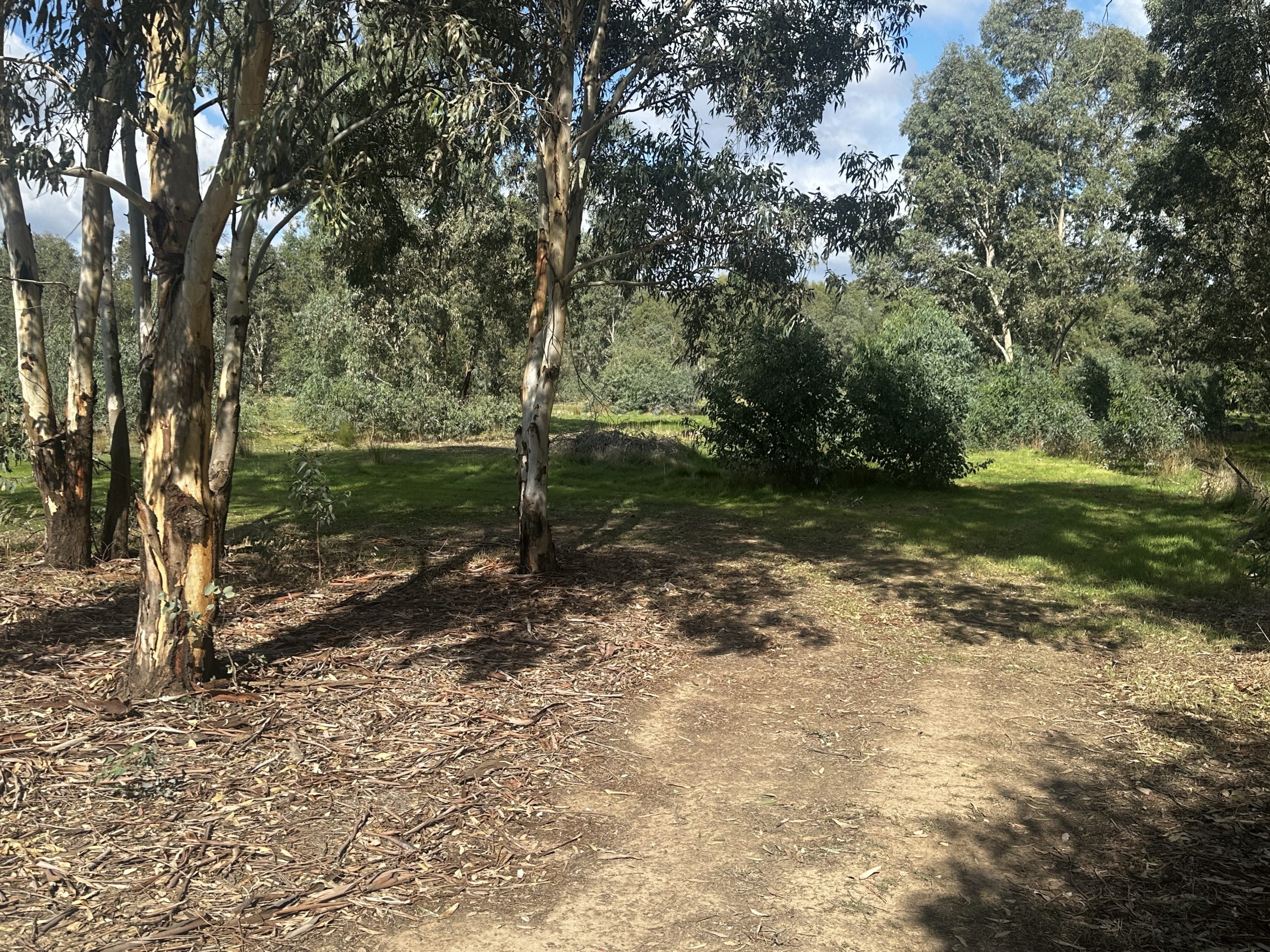
We also have issues once the water does reach the lower paddocks in that it tends to run off the bare ground where the gate sits, as this is the steepest point, where it then collects in what appears to be an old overflow channel of Axe Creek. This is where our dam sits, but rather than run through the old soak as once would have happened, the previous owners have channelized the water so that it is directed into a small section and enters the dam in one thin stream. This has resulted in a severely eroded gully that has collapsed part of the dam’s edge. Every time it rains now, the erosion gets worse and the gully gets deeper.
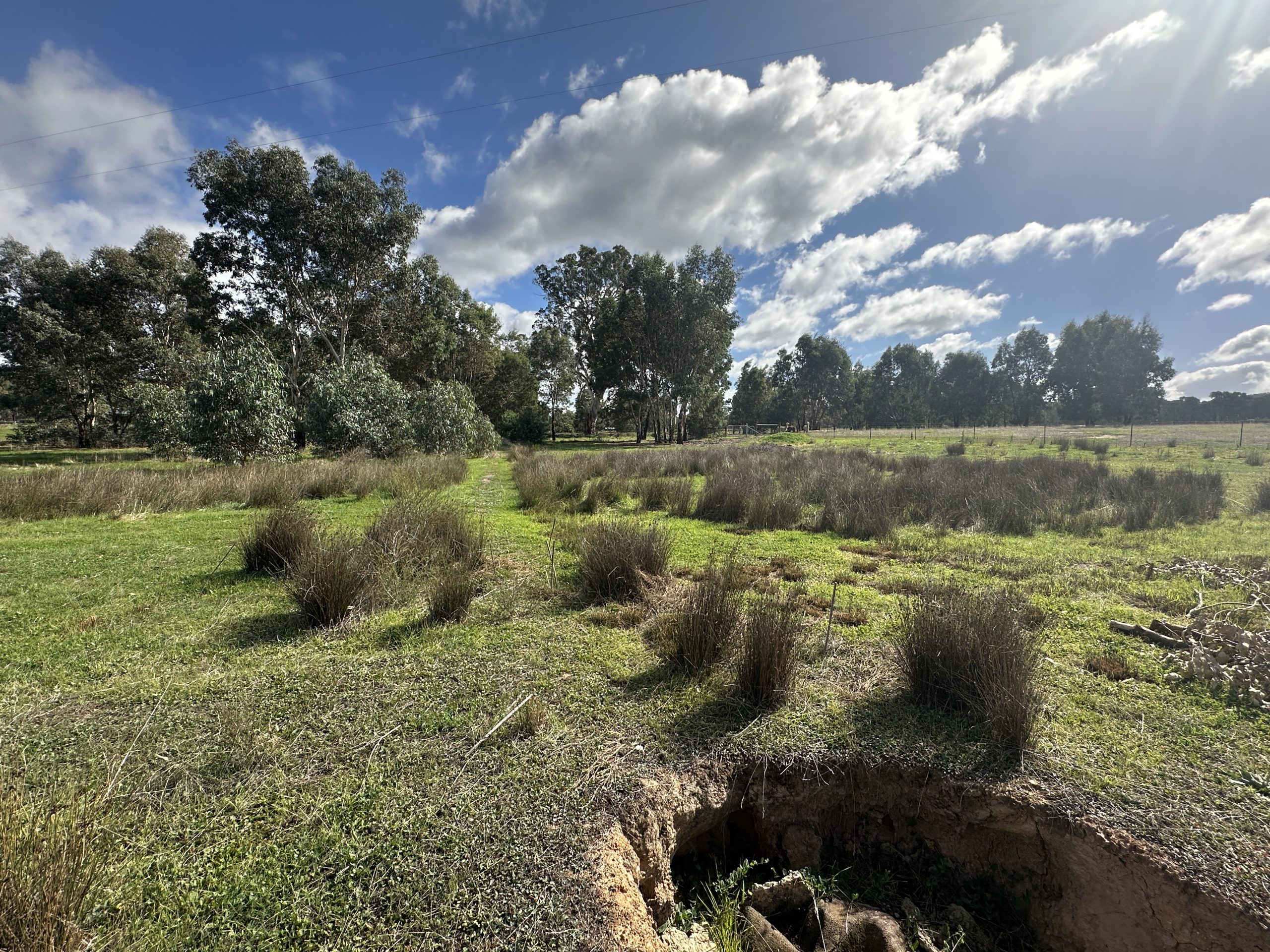
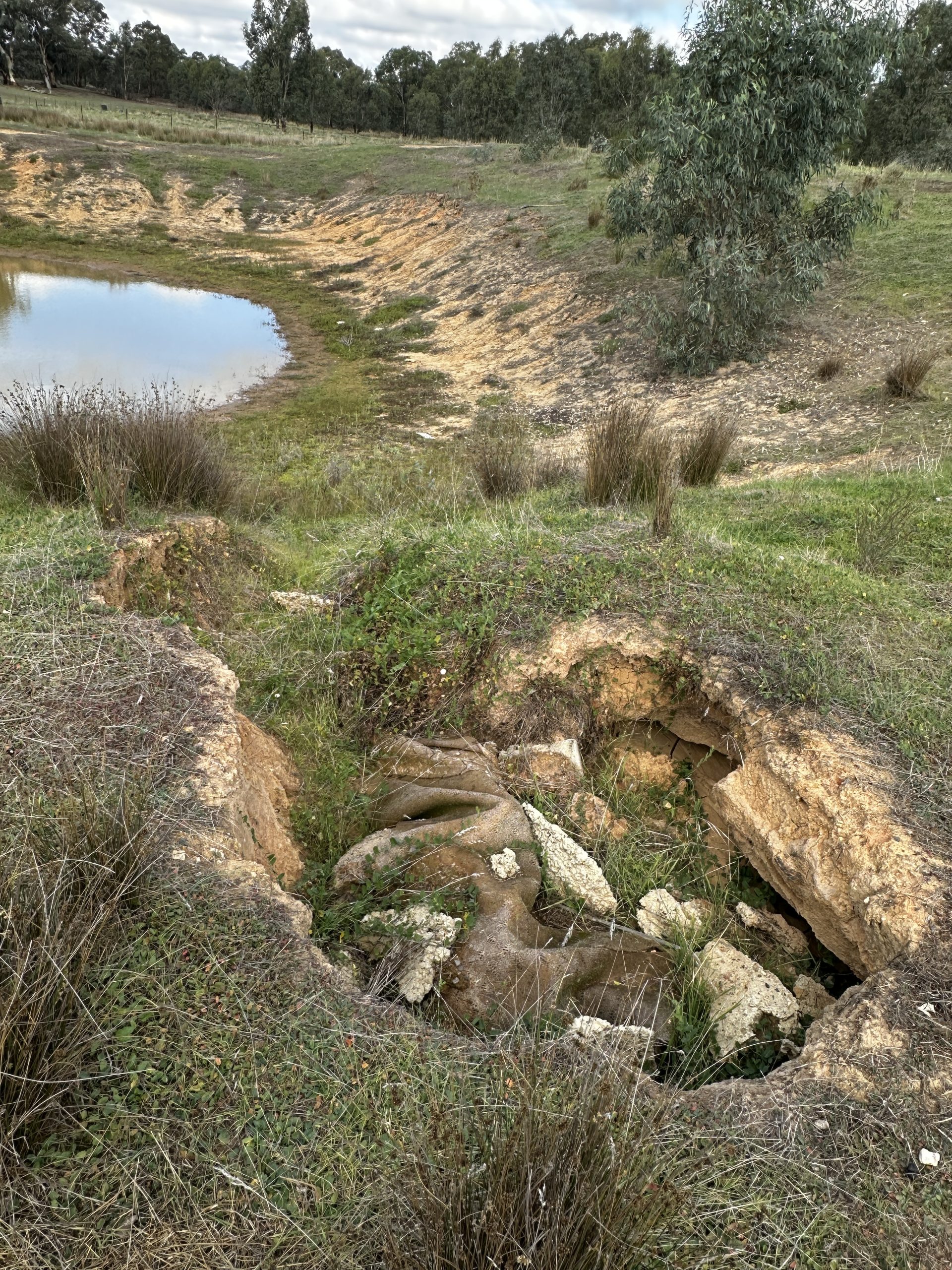
In the past, the previous owners have tried to stop this by dumping a heap of concrete and building waste into the hole, but the water has just found new ways around the rubbish and the erosion has actually been made worse.
So our plan is to cut some new contour swales across the soak and redirect the water to run across the whole area rather than just into the channel. The soak will then be planted up with local species of plants that can handle dry soils with the occasional inundation – things like melaleucas and sedges. This will allow the water to be slowed as it approaches the dam, keeping the moisture in the soil for longer and reducing the force of it as it enters the dam.
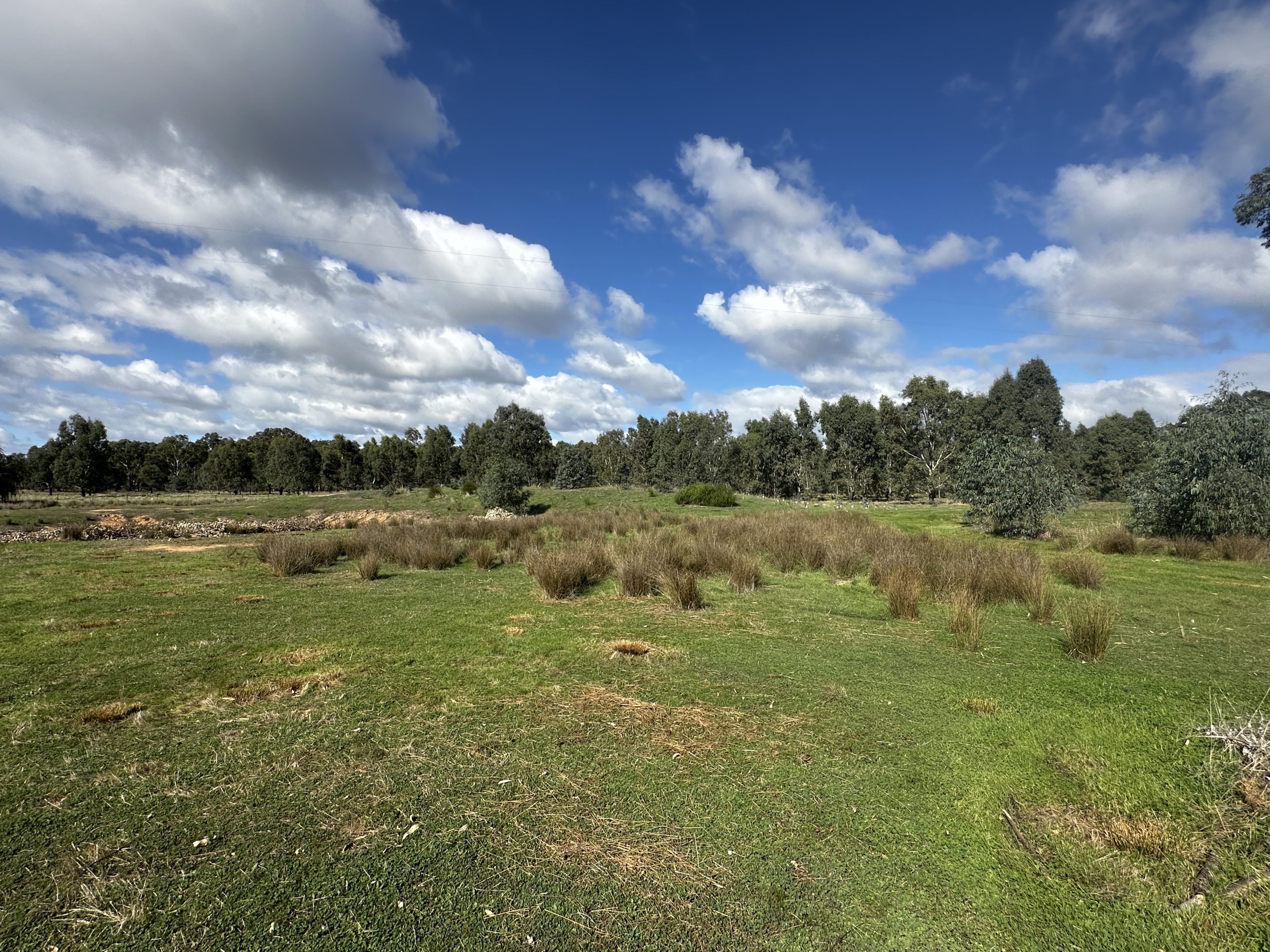
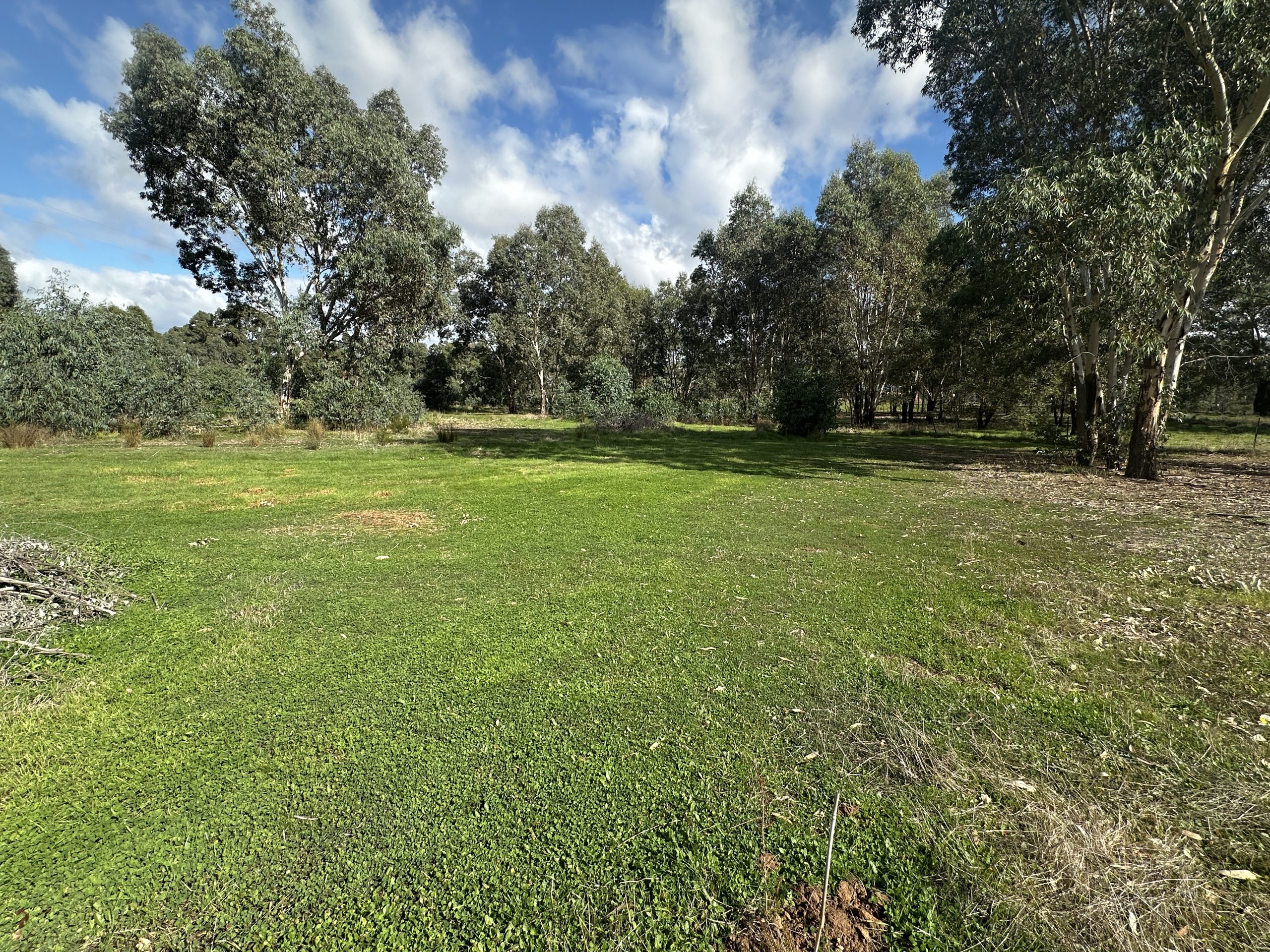
Above the dam, we’ll then replace the raised earthen lip that currently funnels the water into the channel with a “leaky weir” consisting of rocks and fallen trees, creating a trickle-down effect that spreads the water across the whole width of the dam.
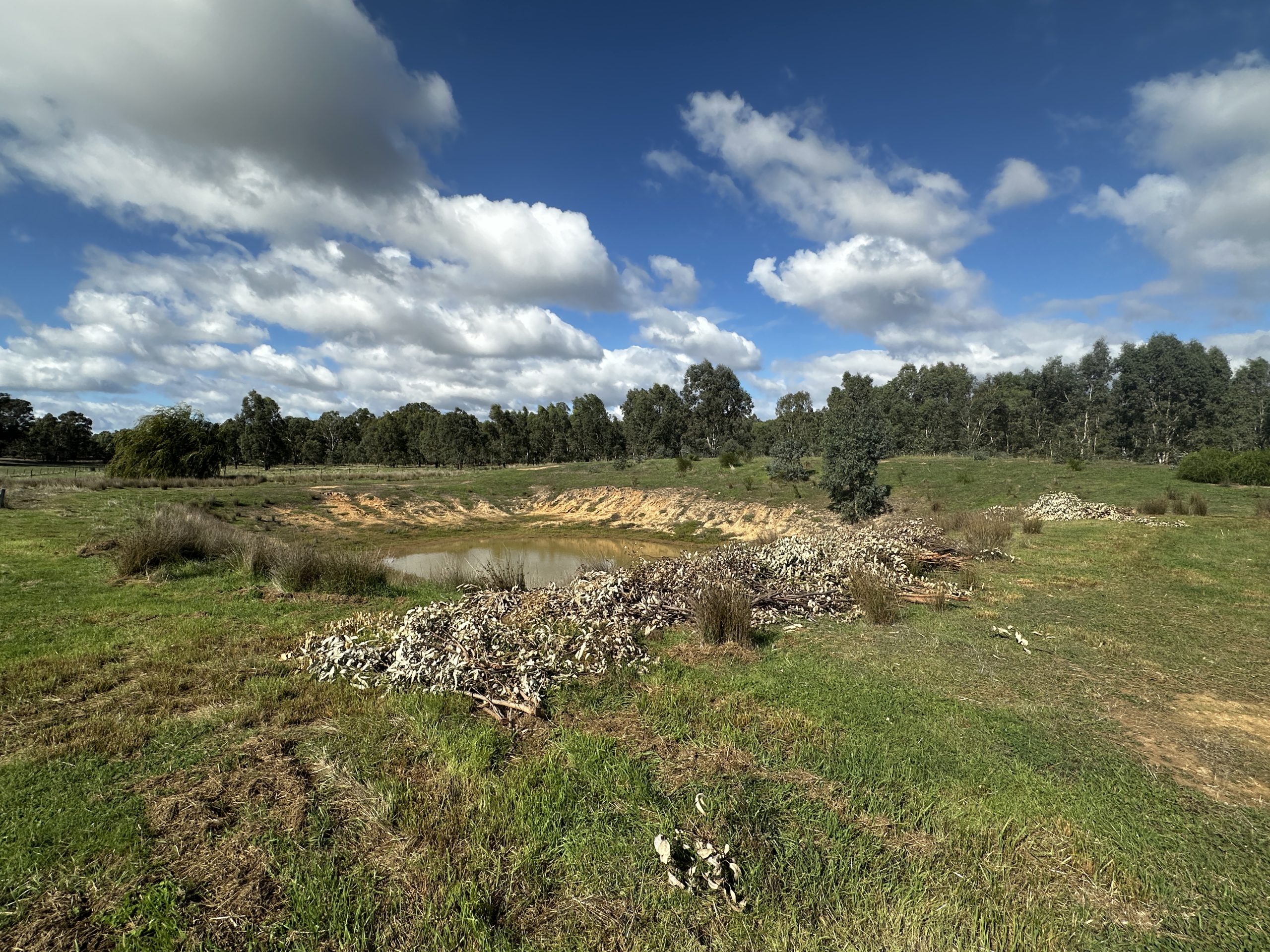
The eroded gully will need to be filled with rocks, with an additional vee-cut leaky weir put in place to stop further erosion. Eventually I hope to be able to plant up the face of the inflow to further de-energise the water flow prior to it entering the dam.
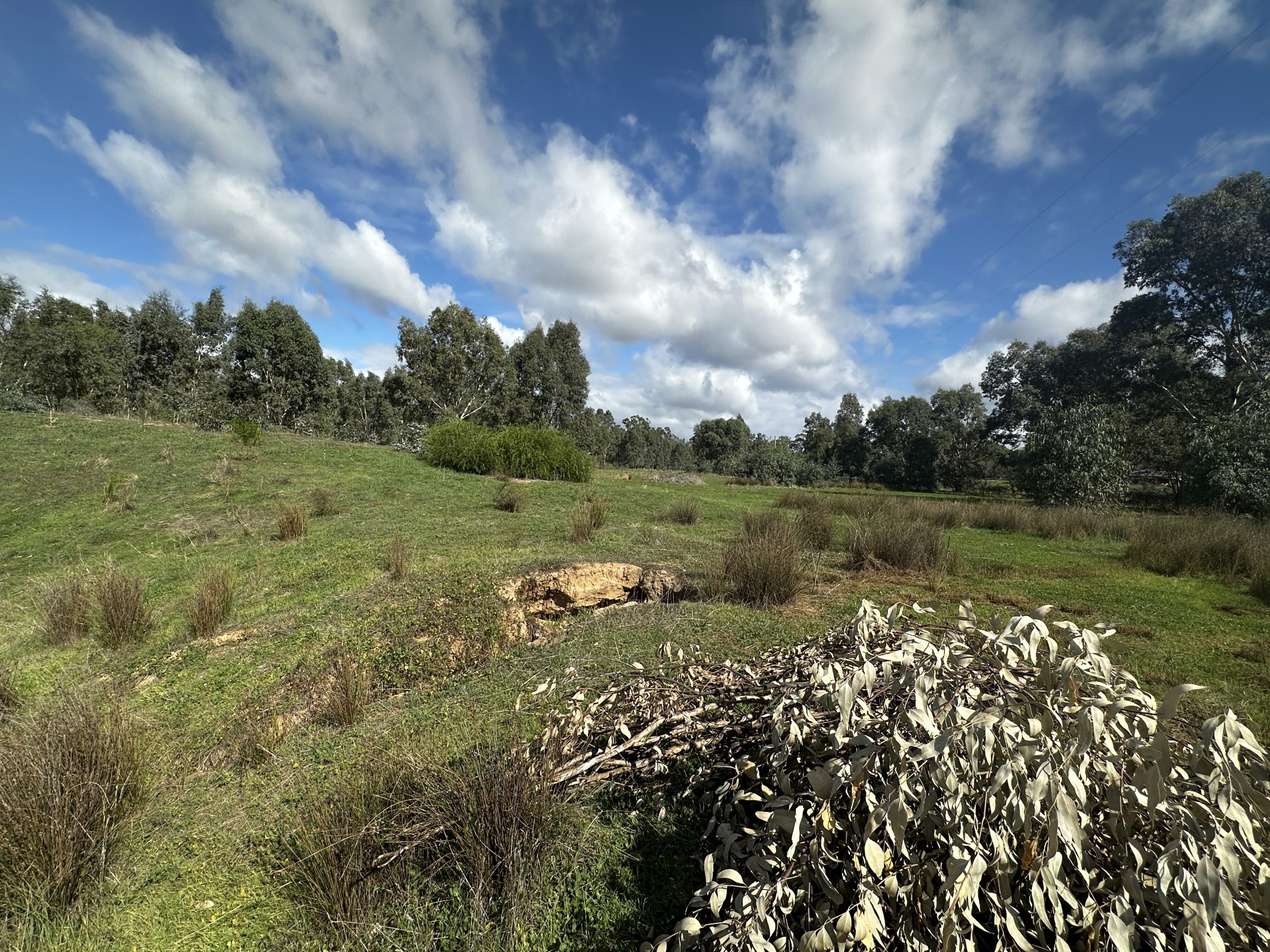
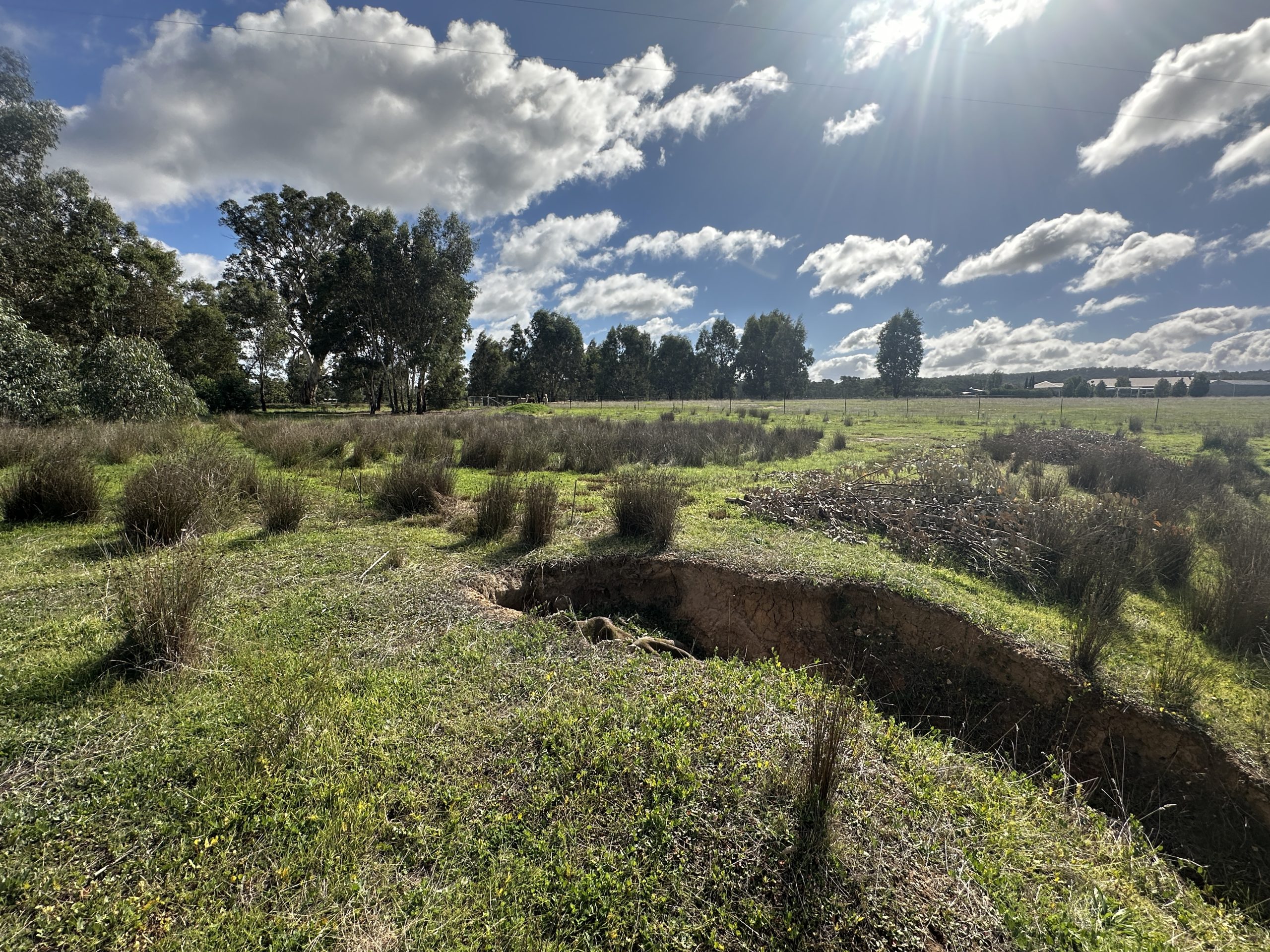
Around the edges of the dam, the straight sides with constantly exposed soils have led to a lot of erosion as well, and the plan here is to stabilise the banks with further planting of marginal plants like melaleucas, callistemons and sedges to try and stop any more landslips.
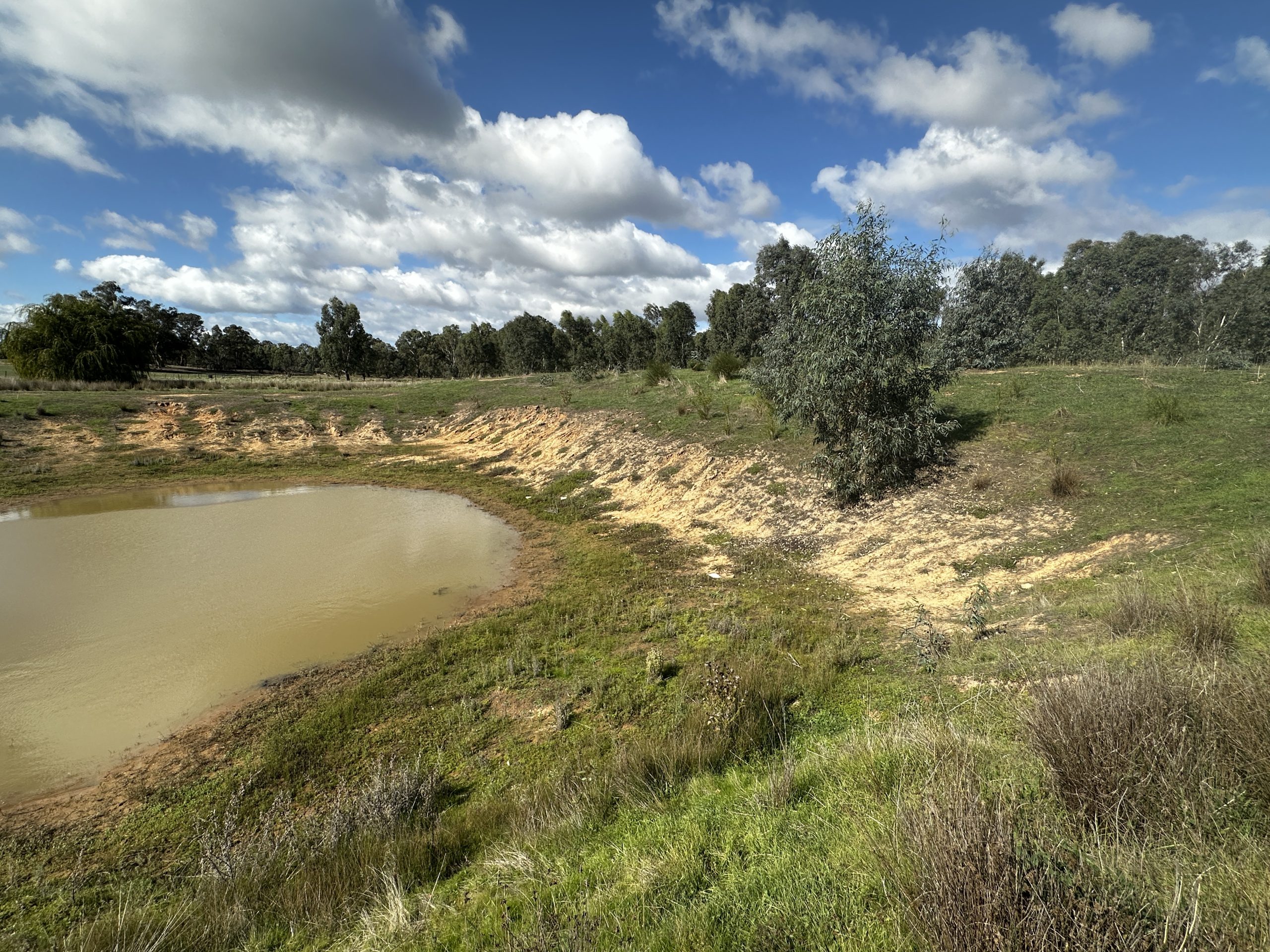
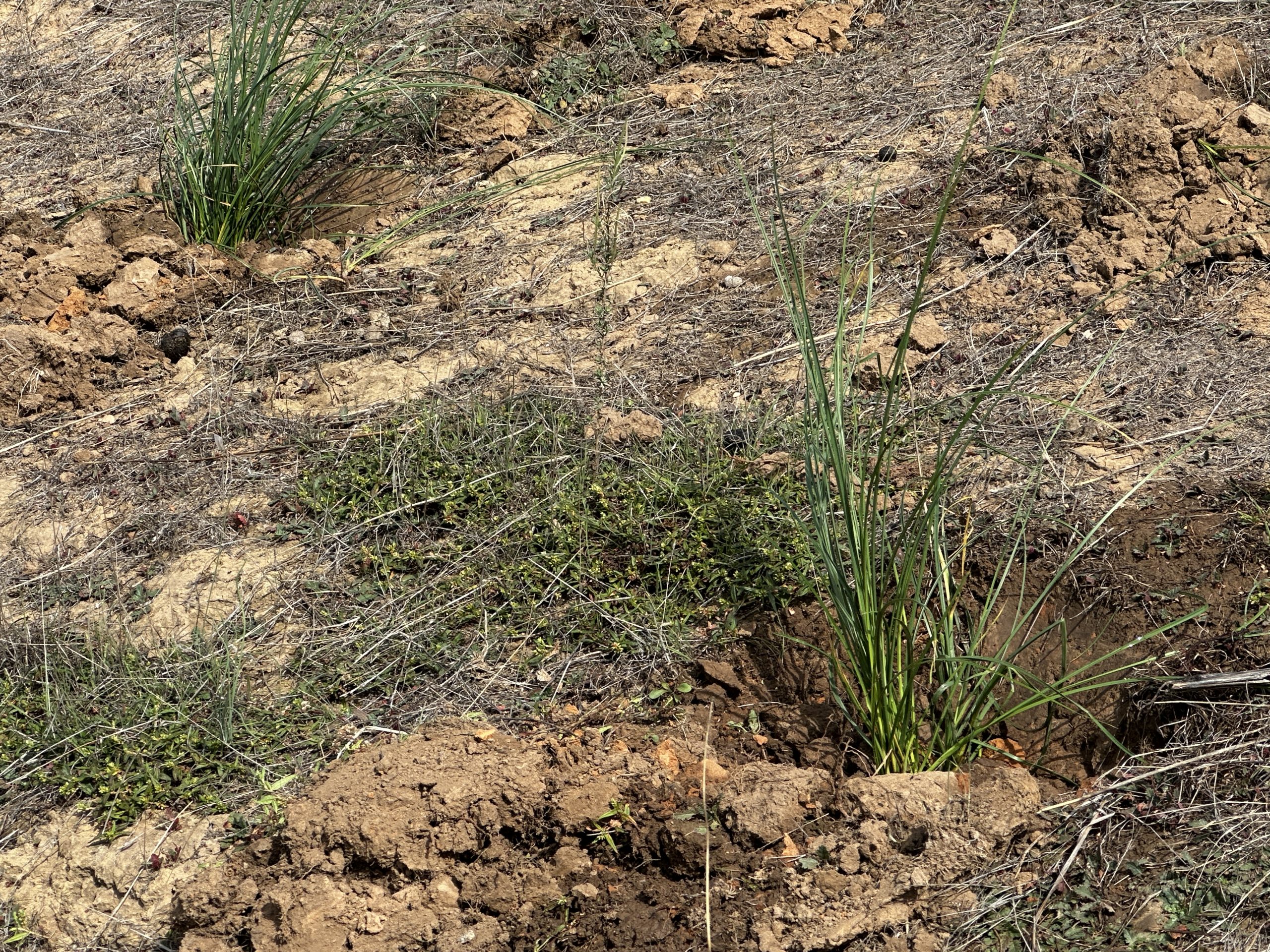
The dam itself isn’t great – it’s built in an old creek bed that has gravelly soils that leech the water out profusely. It’s also completely exposed to the elements, meaning it loses a lot of water through wind and solar evaporation. The hope is that if we can plant the edges up a bit with shrubs that will shield it from the wind, we might be able to keep water in it for longer. Eventually we’ll probably have to get the dam re-dug and re-lined, but in the meantime this should hopefully see it taking longer to dry out than it currently does.